DEBUNKED: Did Coca-Cola Ban “Jesus” on Custom Cans? Viral Video Explained
3 min read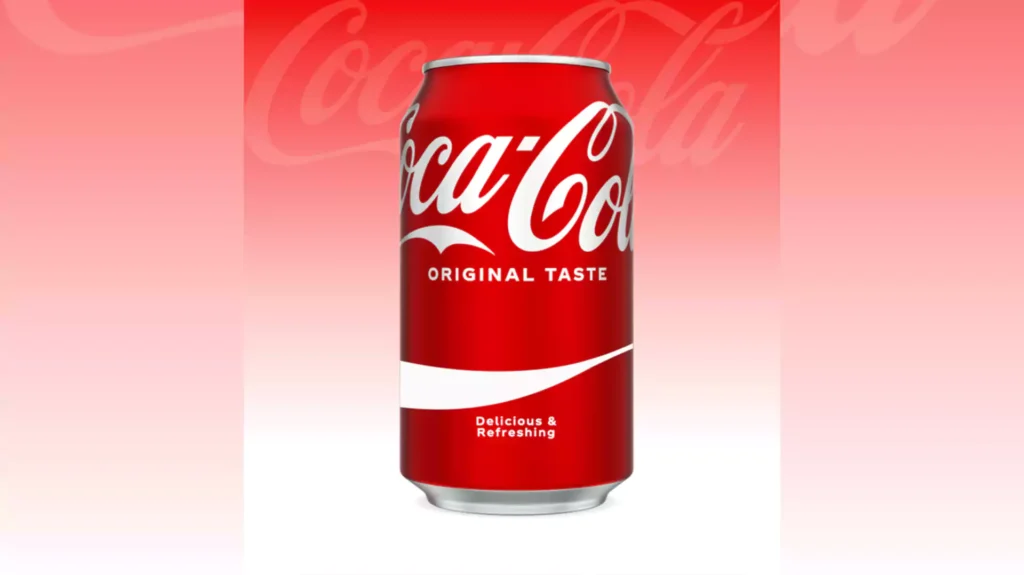
coca-colastore
Recently, Coca-Cola faced backlash following the circulation of a video claiming that the company’s custom cans disallow the use of the word “Jesus.” The video, which went viral on social media, shows an individual typing the word “Jesus” into a custom Coke can machine, only for a notification to appear, stating:
“Sorry, we cannot automatically allow this text on the can. If you feel this is a mistake, please speak to a store representative.”
This sparked outrage among many netizens, with accusations of Coca-Cola being “anti-Christian.” Critics pointed out that other religious names like “Allah” and “Buddha” were accepted by the machine, prompting claims of discrimination against Christians. One user on X (formerly known as Twitter) commented:
“Apparently, Coca-Cola doesn’t support its Christian customers. You’re allowed to put any religious name on your custom can, except Jesus…”
Coca Cola won't let you personalize a can with "Jesus"
— Tim Young (@TimRunsHisMouth) September 25, 2024
…but allows satan and Allah.
Why do they discriminate against Christianity? pic.twitter.com/j08P4fDIAT
However, the situation is not as straightforward as the viral video suggests. While some internet users were quick to denounce Coca-Cola, others stepped forward to debunk the claims. A user with the handle @openedbunker on X clarified that the message displayed for “Allah” was also marked as “pending approval,” indicating that the word was not automatically accepted.
The controversy appears to stem from technical factors rather than any form of religious bias. The word “Jesus,” being highly searched and often associated with sensitive or controversial discussions, may have triggered an automatic flagging system in Coca-Cola’s custom can feature. The company likely uses a filter to prevent potentially offensive or controversial words, and the system’s response to “Jesus” could be part of this broader mechanism.
🤡
— Bunker D (@openedbunker) September 24, 2024
See the big “pending approval” on top of the picture? That's because “Allah loves you” wasn't yet approved.
And it has indeed been rejected.
Once again, y'all are outraged by nothing — or at least nothing more than the product of your imagination and inability to read. pic.twitter.com/Iftk3UCDOC
A deeper examination of Coca-Cola’s custom can policy shows that several terms, including names of countries, political figures, celebrities, and religious deities, are often restricted due to potential trademark, political, or offensive connotations. A community note added to one of the viral tweets explains this further:
“Contrary to what the tweet claims, ‘Allah loves you’ was not ‘allowed’ but ‘pending approval.’ It has since been confirmed that phrases like ‘Jesus loves you’ and ‘Allah loves you’ are not allowed for automatic approval on Coca-Cola’s website.”
This explanation sheds light on the situation, suggesting that Coca-Cola is not specifically targeting any religion. Instead, the rejection of religious names, including “Jesus,” “Buddha,” and “Allah,” is part of a broader policy designed to avoid potential conflicts over sensitive or offensive language.
BREAKING: Apparently Coca Cola doesn’t support its Christian customers. You’re allowed to put any religious name on your custom can, except Jesus.
— 🇺🇸Travis🇺🇸 (@Travis_4_Trump) September 24, 2024
This alone should be reason alone to boycott Coca Cola. Why should we support a company that is anti Christian? pic.twitter.com/MbXfeWAO4H
Despite the clarifications, the viral nature of the video has led to calls for a boycott of the brand by some consumers. However, others are defending Coca-Cola, labeling the issue as a technical glitch rather than an intentional act of discrimination.
In conclusion, the claim that Coca-Cola bans the word “Jesus” on custom cans is misleading. The brand’s policy seems to apply to all religious figures, and the message seen in the video reflects broader content moderation efforts rather than any targeted exclusion. As this incident continues to gain attention, it serves as a reminder of the complexities of content moderation and the potential for misunderstandings in the digital age.
Shivam Kumar

Hi, I'm Shivam Kumar. I'm pursuing Journalism honors from the IP University. I love the skill of writing and looking forward to learn more of it. Also I love traveling and experiencing new things every day....